Categories Excerpts RBI Expect atleast 6% Post author By Raoji Post date June 6, 2022 No Comments on Expect atleast 6% Source : Tamal Bandyopadhyay, Business Standard Share this: Share on Facebook (Opens in new window) Facebook Share on LinkedIn (Opens in new window) LinkedIn Share on X (Opens in new window) X Share on WhatsApp (Opens in new window) WhatsApp Email a link to a friend (Opens in new window) Email
Categories Excerpts Thanks but No Fangs Post author By Raoji Post date May 9, 2022 No Comments on Thanks but No Fangs Source : Ruchir Sharma in FT Share this: Share on Facebook (Opens in new window) Facebook Share on LinkedIn (Opens in new window) LinkedIn Share on X (Opens in new window) X Share on WhatsApp (Opens in new window) WhatsApp Email a link to a friend (Opens in new window) Email
Categories Excerpts India Inc in fine fettle Post author By Raoji Post date April 22, 2022 No Comments on India Inc in fine fettle Source : Mint Share this: Share on Facebook (Opens in new window) Facebook Share on LinkedIn (Opens in new window) LinkedIn Share on X (Opens in new window) X Share on WhatsApp (Opens in new window) WhatsApp Email a link to a friend (Opens in new window) Email
Categories Excerpts Fail : Net Zero by 2050 Post author By Raoji Post date March 30, 2022 No Comments on Fail : Net Zero by 2050 Source : Wall Street Journal Share this: Share on Facebook (Opens in new window) Facebook Share on LinkedIn (Opens in new window) LinkedIn Share on X (Opens in new window) X Share on WhatsApp (Opens in new window) WhatsApp Email a link to a friend (Opens in new window) Email
Categories Excerpts The 5.15 Trillion $ Evaporation Post author By Raoji Post date March 10, 2022 No Comments on The 5.15 Trillion $ Evaporation Source : FT Share this: Share on Facebook (Opens in new window) Facebook Share on LinkedIn (Opens in new window) LinkedIn Share on X (Opens in new window) X Share on WhatsApp (Opens in new window) WhatsApp Email a link to a friend (Opens in new window) Email
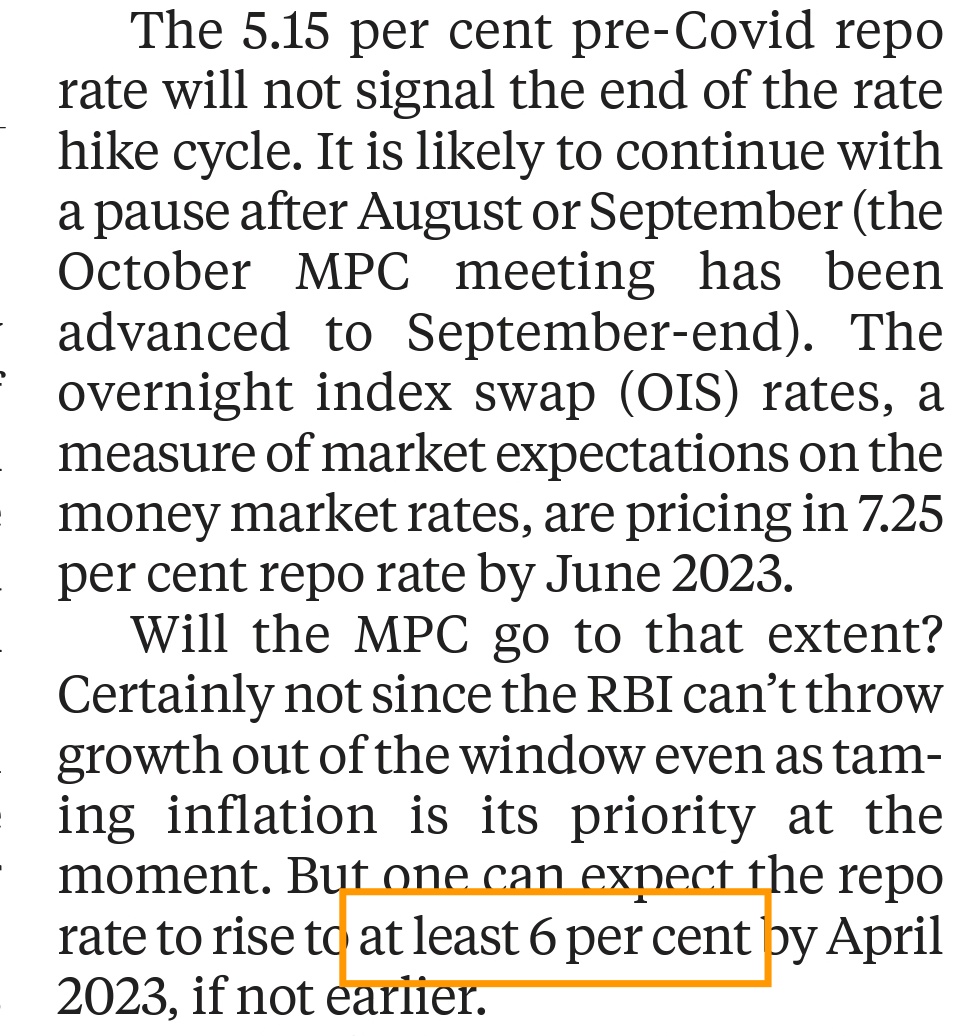 Source : Tamal Bandyopadhyay, Business Standard
 Source : Ruchir Sharma in FT
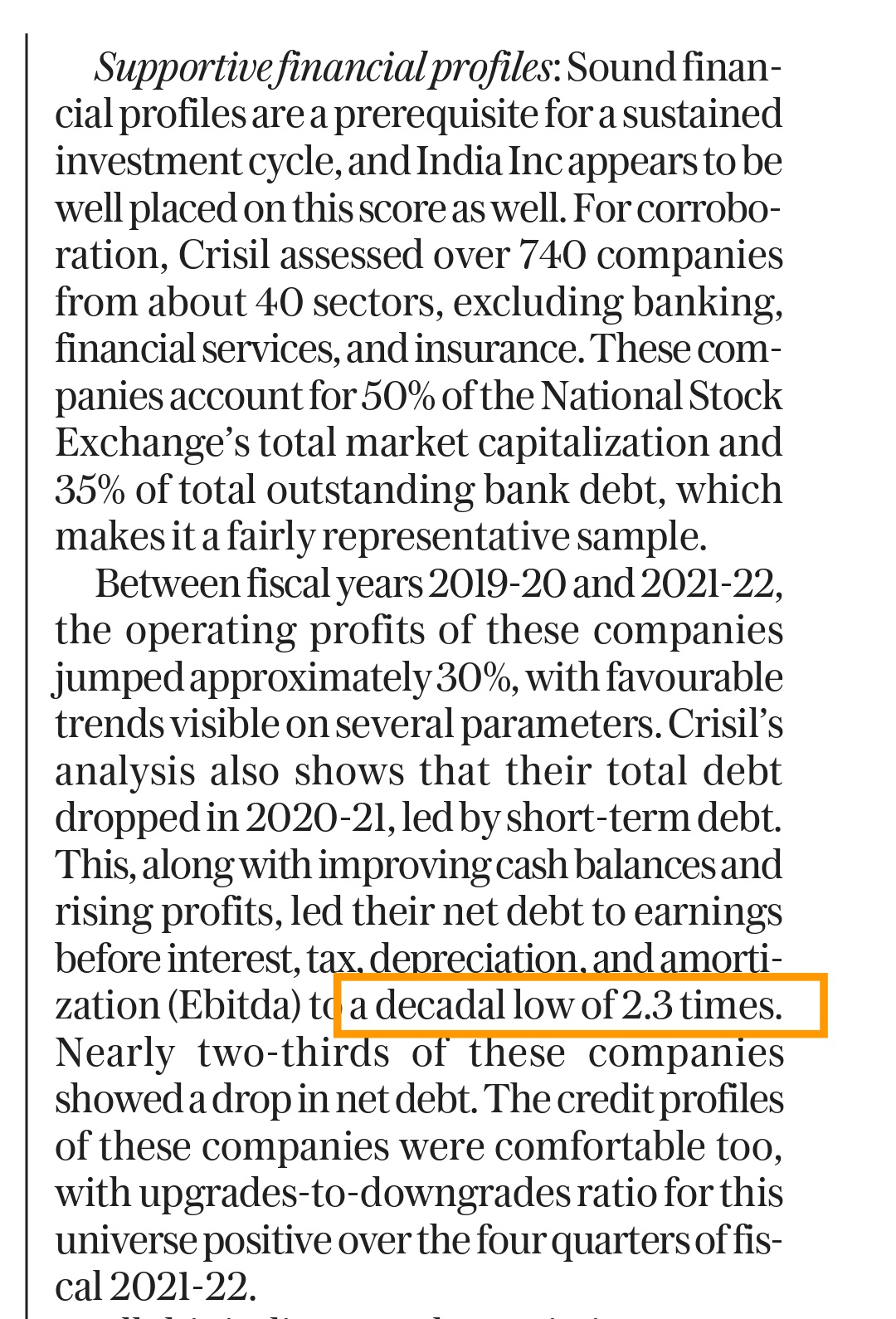 Source : Mint
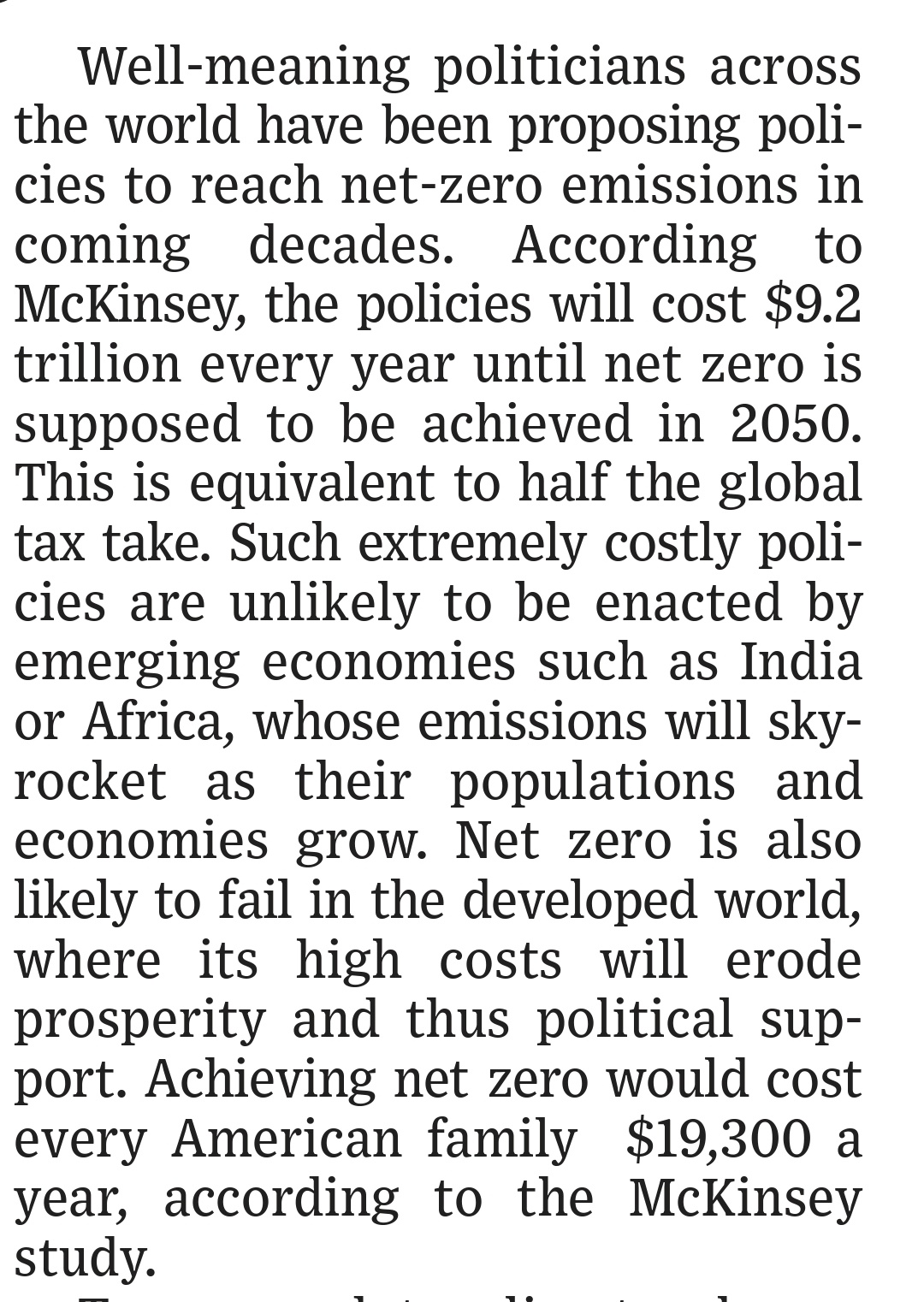 Source : Wall Street Journal
 Source : FT